VOLVO 319-59502A Air Box Intake Cleaner Pump Sensor V70
fits model: S70, Turbo. make: Volvo. year: 1998.
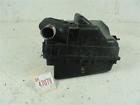
( Manufacturer Part Number: 319-59502A ), ( Part Type: Intake Box Cleaner Pump Sensor ), ( Conditions Options: 9434301 ), ( Genuine Oem: Yes ), ( Designation: Used ), ( Stock : 47079 )
Review VOLVO V70 Air Intake Cleaner Box Assembly Pump Sensor fits S70 TURBO 1998
The 319-59502A Air Intake Cleaner Box Turbo Pump Sensor for 1998 Volvo V70 and S70 models is an essential component in maintaining the optimal performance of your vehicle's engine. This part is specifically designed to serve as a crucial link between the air intake system and the turbocharger, ensuring a smooth and efficient flow of air.
The air intake cleaner box plays a vital role in filtering out impurities and contaminants from the air before it enters the engine, thereby protecting the engine from damage and improving its fuel efficiency. Over time, this box can become clogged or damaged, affecting the performance of your vehicle.
The 319-59502A Turbo Pump Sensor is a vital component of the turbocharger system. It monitors the pressure in the intake manifold and sends this information to the engine control unit (ECU). This data is crucial for the ECU to adjust the fuel injection and ignition timing, ensuring optimal performance and fuel economy.
This sensor is a direct replacement for the original part and is manufactured to the same high standards as the original equipment. It is made from high-quality materials, ensuring durability and reliability. The sensor is easy to install, with clear instructions included in the packaging.
In conclusion, the 319-59502A Air Intake Cleaner Box Turbo Pump Sensor is an essential part for any 1998 Volvo V70 or S70 with a turbocharger. It ensures the optimal performance of your engine, improves fuel efficiency, and protects your engine from damage. With its easy installation and high-quality construction, this part is a smart investment for any Volvo owner.
Pros of buying a 319-59502A Volvo V70/S70 Turbo Pump Sensor:1. Potential Improvement in Engine Performance: The turbo pump sensor plays a crucial role in controlling the boost pressure in the engine. By replacing a faulty or malfunctioning sensor, you may improve the overall performance of your vehicle, including acceleration and power delivery.
2. Increased Fuel Efficiency: A properly functioning turbo pump sensor can help your engine operate more efficiently by maintaining the correct boost pressure. This can potentially lead to improved fuel economy.
3. Preventing Further Damage: If your turbo pump sensor is failing, it can put additional strain on other engine components. Replacing the sensor now can help prevent further damage and costly repairs in the future.
Cons of buying a 319-59502A Volvo V70/S70 Turbo Pump Sensor:1. Potential for Misdiagnosis: While the turbo pump sensor can cause various drivability issues, there are other components that can also cause similar symptoms. If you're not sure if the sensor is the problem, it's best to consult a professional or perform a thorough diagnosis first.
2. Cost: Replacing the turbo pump sensor is not a cheap repair. The sensor itself can cost around $100-$200, and labor costs can add an additional $100-$200 to the total cost.
3. Time and Convenience: Replacing the turbo pump sensor requires disassembling parts of the engine and can take several hours to complete. If you're not comfortable doing the job yourself, you'll need to take your car to a garage or dealership, which can be time-consuming and inconvenient.
Conclusion:If your Volvo V70/S70 is experiencing symptoms of a faulty turbo pump sensor, such as reduced power, poor acceleration, or engine light warnings, it may be worth replacing the sensor to improve performance and prevent further damage. However, it's important to consider the potential costs and inconvenience before making a decision. If you're unsure, it may be best to consult a professional to diagnose the problem and determine if the turbo pump sensor is indeed the cause.
Recommendation:If you decide to replace the turbo pump sensor yourself, make sure to follow the correct installation procedure and use high-quality parts to ensure a proper fit and function. If you're not confident in your ability to perform the repair, it may be best to take your car to a professional. Regardless of who performs the repair, it's always a good idea to have a backup plan, such as a rental car or a trusted friend or family member who can provide transportation, in case the repair takes longer than expected.
Details:
part #: 31959502a prices
- $31.24-$74.58
specifications aicleaer:
- for models: S70, Turbo
- for makes: Volvo
- for years: 1998
- mpn: 319-59502a
- part type: Intake Box Cleaner Pump Sensor
- conditions options: 9434301
- genuine oem: Yes
- designation: Used
- stock : 47079
Seller aicleaer:
- city: Sugar Land, Texas
- zipcode: 77498
Shipping aicleaer:
- cost: $0.0
- handling: 1 days
- type: Flat
General aicleaer:
- automotive > equipment > auto parts > intakefuel delivery > air cleaner assemblies
- condition: Used
- in stock: Yes
Ratings:
- great price fast shipping 03-17-18
- They are a fast fast shipper. Nice service 03-17-18
- Although part was not as described, they issued a refund. All good. 03-16-18
- Quality piece! - thanks 03-16-18
- Very Happy!! Very Fast Shipping!! Worked Out Well!! 03-15-18
Offer aicleaer:
- Sold: 0
- bids: 0
- best offer: false
- quantity: 1
- Started: March 17, 2018, 5:03 pm
Payments aicleaer:
- PayPal
Returns aicleaer:
- details: Restocking fee: 20%
- time: 60 Days
- type: Money back or exchange buyers choice
- policy: returns accepted
- paid by: Buyer
Volvo 319-59502A Is Similar To:
- 08626059 Volvo Air Cleaner Flex Hose Bellows (52.4% similar) The item is in good working condition. This part was removed from a 2003 volvo S80...(April 18th, 2018)
- 1266791 Volvo Air Cleaner Assembly (60.2% similar) Please match part number for exact fit. It comes with all the parts pictured. It will fit several different Volvo's from about this is a used oem air cleaner housing...(August 23rd, 2018)
- 30864098 Genuine Oem Volvo Air Box Sensor (44% similar) This came from a 2000 S 40 w chassis and should fit S40 V40. Please look at the pictures as this is actual air cleaner filter box you'll receive and are part of. Please look at my other listings for volvo parts. Due to shipping via FedEx it cannot be shipped any PO. New, from volvo, these parts ...(June 16th, 2018)
- 31449209 Volvo Genuine Factory Oem New Cabin Air Filter (26.3% similar) ...(October 22nd, 2018)
- 31460037 Volvo Oem Cleaner Assembly (55.3% similar) Warranting warranty...(February 5th, 2019)
- 31460390 Volvo Oem 2016 S60 Air (24.4% similar) Warranting warranty...(February 17th, 2017)
- 31474861 Volvo Oem Cleaner Assembly (55.3% similar) Est, Mon to Fri. All airbag modules are also non returnable...(August 11th, 2018)
- 31474862 Volvo Oem Cleaner Assembly (55.3% similar) Est, Mon to Fri. All airbag modules are also non returnable...(August 11th, 2018)
- 31480257 Volvo Oem Air Housing Drain Hose (32% similar) Est, Mon to Fri. All airbag modules are also non returnable...(August 11th, 2018)
- 319.twh 2007 Volvo Vnl Air Cleaner (40.9% similar) Pictures reflect the vehicle we removed it from. This is a used air cleaner assembly. Spokane valley, WA...(December 19th, 2016)
- 3507985 Volvo Oem Intake Manifold Air Hose Grommet (51.4% similar) You can also visit us on the web. Manufacturer part number: identified in schematic if applicable. All of Tosca's top quality oem replacement parts are backed by a twelve 12 month 12,000 mile warranty...(November 13th, 2018)